
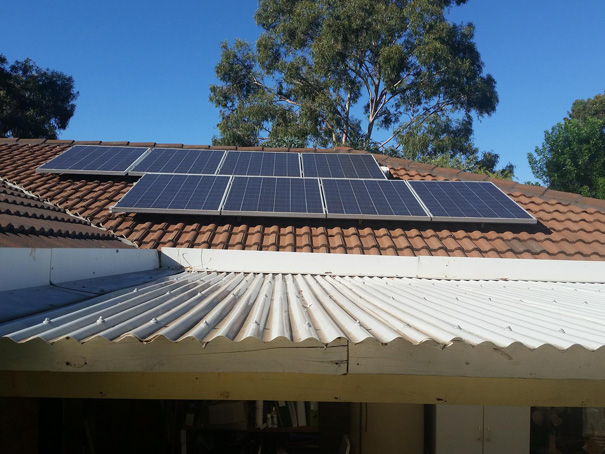
Are you considering a solar panel system for your home?
Whether you’re motivated by the potential for significant savings on your electric bill or simply want to support the shift toward more sustainable, environmentally friendly energy, there are several factors to evaluate before choosing the residential solar setup that’s right for you.
Below are five key cost-related questions to ask as you determine how many solar panels your home will need and which company you’ll ultimately hire to supply and install your new system.
1. What is your current energy usage?
One of the first steps in the process is determining your home’s current and future energy needs.
A solar panel installation representative will typically begin by requesting copies of your electricity bills from the past 12–13 months. This allows them to calculate your average monthly kilowatt-hour (kWh) usage.
Once your annual energy consumption has been thoroughly reviewed, the solar installer can recommend a custom solar panel configuration designed to meet, or even exceed, your home’s projected power needs.
2. How much sunshine does your area get throughout the year?
Another important factor to evaluate when choosing a solar panel system is the amount of sunlight your home receives throughout the year.
Solar energy production can vary significantly based on local sunlight conditions, seasonal weather patterns, and environmental factors such as cloud cover, dust, or shading; any of which can reduce your panels’ maximum exposure to sunlight.
Google’s Project Sunroof is a helpful tool that can assist you in determining whether your home is a strong candidate for solar energy savings. Simply enter your address, and if available, the tool will generate a detailed analysis of your estimated annual energy production and potential cost savings.
3. What are some possible obstructions that can cause shading?
You should also assess your home for any existing obstructions that could cast shade.
These are often trees or nearby buildings that may block direct sunlight from reaching the areas where you plan to install your solar panels.
Shade from these objects can reduce energy output by limiting the amount of sunlight that reaches the panels’ surface, potentially affecting the overall efficiency of your system.
4. What are the expected maintenance & repair cost?
Almost every electronic system requires some level of routine maintenance or occasional replacement parts during its lifecycle.
It’s essential to ask detailed, upfront questions about the potential costs of maintenance and repairs your solar system might need over its expected lifespan.
While certain solar panel brands and hardware manufacturers may outperform others over the long term, it’s still important to understand how your system is expected to perform throughout its operational life—especially during periods of severe or seasonal weather.
By learning about the system’s hardware, maintenance requirements, and potential repair costs upfront, you can minimize the risk of unexpected expenses if an issue arises with a panel, inverter, or other component.
5. What are the available finance options to pay for the system?
While the upfront cost of installing a solar panel system for your home can seem substantial, there are fortunately a variety of financing options available through your solar contractor or third-party finance companies.
Financing is a critical factor to consider before committing to a system, given the long-term financial responsibility involved.
It’s important to fully understand the terms of any financing offered, the potential tax incentives you may qualify for, and the total cost of funding and maintaining your solar system over its entire lifecycle.
Due Diligence
As with any major purchase, it is essential to conduct thorough due diligence for every aspect of the solar panel buying and installation process.
This includes researching the durability of the equipment and the manufacturer’s ability to honor warranty claims, evaluating the experience and expertise of the installation company, reviewing legal agreements with the contractor, understanding expected maintenance costs, carefully examining financing terms, and gaining a clear understanding of how the system is expected to perform over its entire lifecycle.
Additionally, if you live in a homeowners’ association, it’s wise to check with the management office to learn what is permitted in your neighborhood.
Good luck on your journey to harnessing the power of solar energy!
